
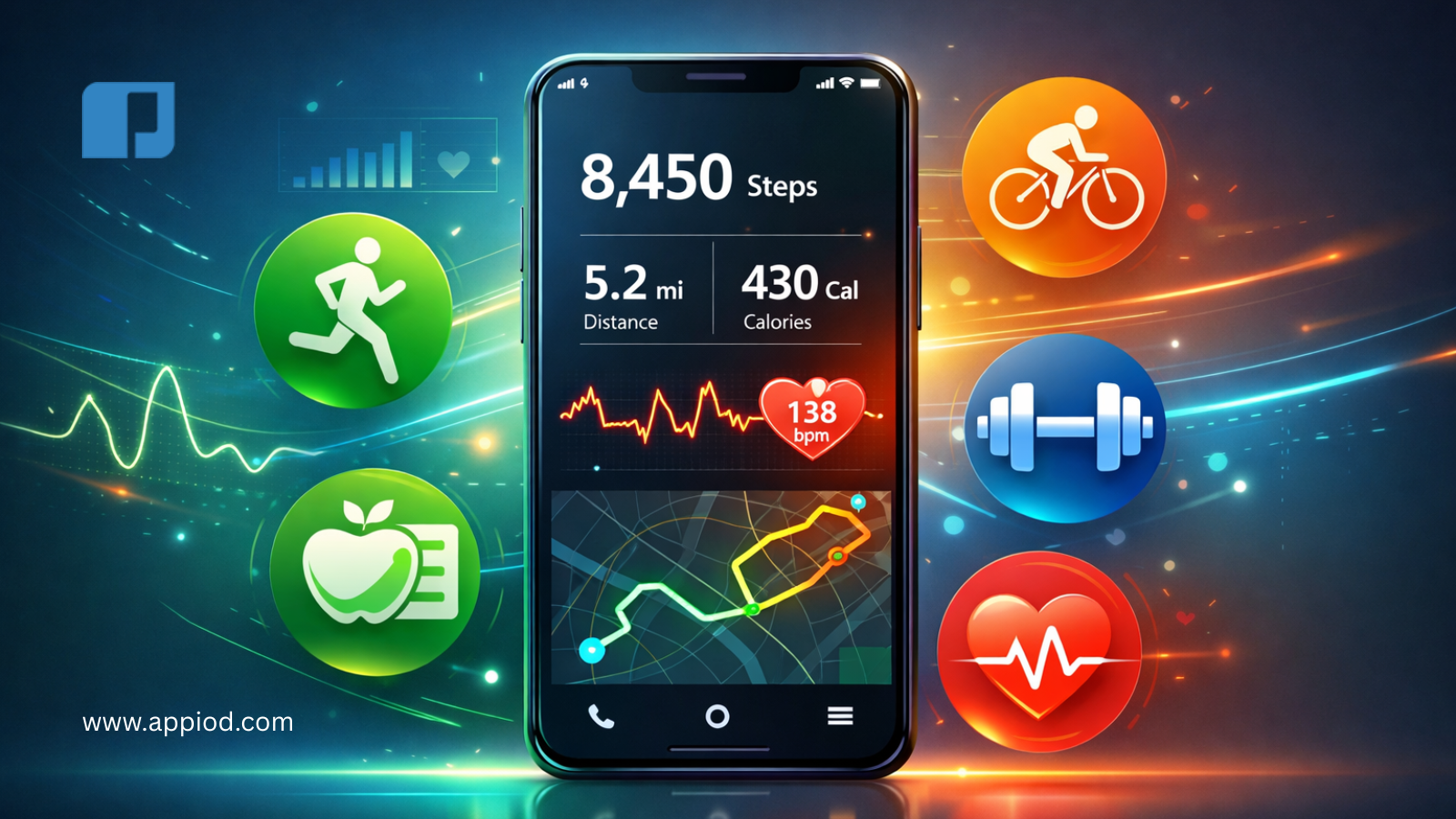
Fitness trackers and smartwatches dominate wearable markets, but not everyone wants additional devices to charge, wear, and maintain. The best fitness tracker apps without wearables leverage your smartphone’s sensors to monitor activity, track workouts, and provide insights—all without requiring expensive accessories.
After two decades testing fitness technology and helping thousands optimize their health tracking, I’ve identified which phone-based fitness apps deliver genuine value versus those requiring wearable integration to function properly.
Modern smartphones pack surprisingly capable sensors—accelerometers, gyroscopes, GPS, barometers, and more—enabling accurate activity tracking without wrist-worn devices. Understanding which apps maximize these built-in capabilities helps you achieve fitness goals without wearable investments
Why Track Fitness Without Wearables?
Cost Savings: Quality fitness trackers cost $100-$400 with top-tier smartwatches exceeding $800. Phone-based tracking eliminates these expenses while delivering core functionality most users need.
Reduced Device Management: Every wearable adds charging responsibilities, firmware updates, and eventual replacement costs. Phone-only tracking simplifies your technology ecosystem, focusing on the device you already carry constantly.
Privacy Considerations: Wearables continuously collect biometric data that some users prefer not generating. Phone-based apps allow selective tracking only during deliberate activity rather than 24/7 monitoring.
Smartphone Ubiquity: Most people already carry phones during walks, runs, and gym visits. Leveraging existing devices makes more sense than purchasing dedicated trackers for similar functionality
Google Fit: Comprehensive Free Tracking ⭐ 4.8/5

Google Fit provides completely free, comprehensive fitness tracking across Android and iOS, making it the best fitness tracker app without wearables for users wanting zero-cost solutions without feature compromises.
Key Features:
- Automatic activity detection (walking, running, biking)
- Heart Points and Move Minutes metrics
- GPS-based distance and route tracking
- Integration with 100+ fitness apps
- Workout tracking for 100+ activity types
- Sleep tracking (Android only)
- Breathing exercises and guided workouts
Pricing: Completely free
Why It Excels: Google Fit’s Heart Points system, developed with American Heart Association guidance, focuses on health outcomes rather than arbitrary step counts. Activities earning more heart points (running, aerobics) count more than low-intensity movement, encouraging genuinely beneficial exercise.
The automatic activity detection works remarkably well, beginning tracking when you start moving and stopping when you finish without manual intervention. This passive tracking eliminates logging friction that causes abandonment of manual tracking apps.
Integration with Google’s ecosystem means data syncs with Google Calendar for scheduling workouts and exports to health-focused productivity systems.
Best For: Cost-conscious users, Android users deeply integrated into Google ecosystem, and those wanting simple tracking without complex features overwhelming core functionality.
Limitations: Less detailed analytics than premium competitors. Sleep tracking limited to Android devices. No advanced training plans or coaching features
Strava: Social Fitness Community ⭐ 4.7/5
Strava dominates running and cycling communities, transforming solo workouts into social experiences through competitive segments, club features, and activity feeds.
Key Features:
- GPS tracking for runs, rides, swims, and 30+ activities
- Segment leaderboards and personal records
- Route planning and discovery
- Training plans and guided workouts
- Social feed with activity sharing
- Performance analysis and trends
- Safety features (Beacon location sharing)
Pricing: Free for core features, $11.99/month or $79.99/year for Summit premium
Community Power: Strava’s killer feature isn’t technology—it’s the community. The activity feed creates accountability and motivation through social interaction. Segment leaderboards gamify routes, transforming routine runs into competitive challenges against yourself and others.
Local running and cycling clubs organize through Strava, coordinating group workouts and challenges. This social aspect prevents the isolation that derails many solo fitness efforts.
Analytics Depth: Premium subscribers access detailed performance analytics including fitness trends, training load balance, and personalized coaching insights. The power curve analysis helps cyclists optimize training, while runners track pace analysis across varying terrain.
Best For: Runners and cyclists wanting community motivation, competitive individuals driven by leaderboards, and social fitness enthusiasts.
Limitations: Premium features require subscription. Less useful for gym workouts and non-cardio activities. Battery drain significant during long GPS tracking sessions.
MyFitnessPal: Nutrition Plus Activity ⭐ 4.6/5

MyFitnessPal combines activity tracking with comprehensive nutrition logging, recognizing that fitness results from exercise and diet together.
Key Features:
- Food logging with 14 million item database
- Barcode scanner for quick food entry
- Activity tracking and calorie burn estimates
- Macro and micronutrient tracking
- Water intake monitoring
- Weight trend tracking and predictions
- Integration with 50+ fitness apps
Pricing: Free for basic features, $9.99/month or $49.99/year premium
Nutrition Integration: MyFitnessPal’s massive food database makes calorie tracking relatively painless. Barcode scanning instantly logs packaged foods while restaurant database includes most chain menu items.
The app calculates daily calorie targets based on goals (weight loss, maintenance, gain) and adjusts recommendations based on logged exercise. This integrated approach helps users understand energy balance—the fundamental equation determining weight management success.
Activity Tracking: While primarily a nutrition app, MyFitnessPal includes adequate activity tracking leveraging phone sensors. GPS workouts track routes and distances while step counting provides baseline activity monitoring.
Best For: Users focusing on weight management, those needing nutrition tracking alongside activity monitoring, and individuals wanting comprehensive health overview.
Limitations: Free tier includes ads and limited features. Activity tracking less sophisticated than dedicated fitness apps. Food logging requires daily commitment that some find tedious.
Nike Run Club: Guided Run Coaching ⭐ 4.7/5

Nike Run Club provides completely free audio-guided runs, training plans, and community features without requiring any Nike hardware.
Key Features:
- Audio-guided runs with celebrity coaches
- Personalized training plans for all levels
- GPS tracking with detailed run analysis
- Weekly, monthly, and all-time statistics
- Community challenges and competitions
- Social features and activity sharing
- Completely free with no premium tier
Pricing: Completely free
Guided Runs Excellence: Nike Run Club’s guided runs transform solo running into coached experiences. Audio coaching provides motivation, technique tips, and pacing guidance throughout workouts. Options range from beginner-friendly runs to advanced speed work and long distances.
The variety prevents boredom—recovery runs, tempo runs, intervals, and long runs each offer different coached experiences. Celebrity coaches including Eliud Kipchoge provide motivational content creating personal connections during difficult workouts.
Training Plans: Free training plans prepare users for distances from 5K to marathon. The adaptive plans adjust based on your schedule and progress, accommodating missed workouts without derailing entire training cycles.
Best For: Runners of all levels, users wanting coaching without personal trainer costs, and those motivated by audio guidance during workouts.
Limitations: Running-specific—limited utility for other activities. GPS tracking drains battery during long runs. No cycling or swimming support.
Apple Fitness+: Integrated Apple Ecosystem ⭐ 4.5/5
Apple Fitness+ works without Apple Watch (as of iOS 17), providing guided workouts tracking through iPhone during sessions.
Key Features:
- Studio-quality workout videos (strength, HIIT, yoga, cycling, more)
- New workouts added weekly
- Metrics displayed during workouts
- Music integration with Apple Music
- Time to Walk audio experiences
- Meditation and mindful cooldowns
- SharePlay for group workouts
Pricing: $9.99/month or $79.99/year (included with Apple One Premier)
Production Quality: Fitness+ workouts feature professional production values rivaling expensive boutique fitness apps. Diverse trainers, inclusive difficulty modifications, and motivating music create engaging experiences encouraging regular participation.
The variety prevents monotony—strength training, HIIT, yoga, cycling, rowing, dance, core, and more provide comprehensive fitness programming without requiring gym memberships or specialized equipment.
iPhone-Only Mode: Recent updates enable iPhone-only tracking for users without Apple Watch. While not as precise as wrist-worn tracking, the iPhone accurately captures workout duration and estimates calories burned based on activity type and personal metrics.
Best For: Apple ecosystem users, those wanting varied guided workouts, and users preferring structured classes over solo exercise.
Limitations: Requires iPhone and subscription. Less accurate without Apple Watch. Limited third-party app integration.
Fitbod: Intelligent Strength Training ⭐ 4.6/5

Fitbod generates personalized strength training workouts adapting to available equipment, recovery status, and goals—no wearables required.
Key Features:
- AI-generated workout recommendations
- 1,000+ exercises with video demonstrations
- Progress tracking and strength metrics
- Recovery tracking preventing overtraining
- Exercise swaps based on equipment availability
- Detailed analytics and trends
- Offline workout access
Pricing: Free for 3 workouts, $12.99/month or $79.99/year unlimited
Intelligent Programming: Fitbod’s algorithm considers workout history, recovery time, available equipment, and target muscle groups when generating workouts. This intelligent programming prevents monotony while ensuring balanced training addressing all muscle groups progressively.
The app adjusts difficulty based on your logged performance. Successfully completing challenging sets triggers increased weight recommendations. Struggled sets keep difficulty manageable. This personalization eliminates guesswork in progressive overload—the key to strength gains.
Exercise Library: Over 1,000 exercises with HD video demonstrations teach proper form. Search by muscle group, equipment type, or exercise name finding alternatives when preferred exercises don’t fit current circumstances.
Best For: Strength training enthusiasts, gym-goers wanting structured programming, and users seeking progressive workload management.
Limitations: Subscription required after trial. Less useful for cardio activities. Requires equipment access for best results.
JEFIT: Free Workout Tracking and Planning ⭐ 4.5/5

JEFIT provides completely free workout tracking, exercise database, and training routines focusing on weight training and bodybuilding.
Key Features:
- 1,300+ exercises with instructions
- Pre-built workout routines
- Custom workout builder
- Rep and weight tracking
- Rest timer with reminders
- Progress photos and measurements
- Community features and forums
Pricing: Free with ads, $6.99/month or $39.99/year premium (removes ads and adds features)
Bodybuilding Focus: JEFIT excels for traditional bodybuilding and powerlifting training. The exercise database includes variations and alternatives helping users target specific muscles effectively.
Pre-built routines from beginners to advanced eliminate program design paralysis. Community-created routines share successful training splits from experienced lifters.
Tracking Simplicity: Logging workouts proves straightforward—select exercise, enter sets, reps, and weight. The timer between sets prevents excessive rest while flexible enough for different training philosophies.
Best For: Bodybuilders and powerlifters, budget-conscious users, and those wanting simple workout logging without complexity.
Limitations: Interface feels dated compared to modern alternatives. Free tier includes intrusive ads. Limited guidance for beginners unfamiliar with exercises.
Making the Right Choice for Fitness Tracking Without Wearables
Choose Google Fit if: You want completely free comprehensive tracking without subscriptions or feature limitations.
Choose Strava if: Running or cycling is your primary activity and community motivation drives your fitness consistency.
Choose MyFitnessPal if: Weight management is your goal and you need nutrition tracking integrated with activity monitoring.
Choose Nike Run Club if: Running is your focus and you want free audio-guided coaching rivaling expensive personal training.
Choose Apple Fitness+ if: You’re deeply invested in Apple’s ecosystem and want studio-quality guided workouts across multiple disciplines.
Choose Fitbod if: Strength training is your priority and you want intelligent workout generation eliminating program design uncertainty.
Choose JEFIT if: Traditional bodybuilding appeals to you and you want free workout tracking with extensive exercise database.
Maximizing Phone-Based Fitness Tracking
Battery Management: GPS tracking consumes significant battery. Strategies for full-day tracking:
- Lower screen brightness during workouts
- Enable battery saver mode after workouts
- Carry portable battery for long activities
- Download offline maps reducing GPS power draw
Accuracy Considerations: Phone-based tracking proves less accurate than wearables for heart rate and calories. Accept estimates as directional guidance rather than precise measurements. Trends matter more than individual workout accuracy.
Consistent Carrying: Phone tracking requires carrying your device during activities. Invest in quality armbands, running belts, or pockets ensuring comfortable carrying during all workout types.
The Bottom Line on Best Fitness Tracker Apps Without Wearables
The best fitness tracker apps without wearables prove you don’t need expensive accessories for effective fitness tracking. Whether prioritizing running (Nike Run Club, Strava), strength training (Fitbod, JEFIT), comprehensive tracking (Google Fit), or nutrition integration (MyFitnessPal), excellent free or affordable options exist.
Start with free options determining which features genuinely enhance your fitness journey before committing to paid subscriptions. Many users discover free apps provide everything needed for achieving health goals without premium features they’d rarely use.
For users managing fitness alongside productivity workflows and life organization systems, smartphone-based tracking integrates seamlessly with existing digital ecosystems without adding complexity